

Welcome to SQL in the City Streamed – the birthday edition.
To celebrate our landmark birthday, the theme for SQL in the City Streamed September 2019 was 20 years of Redgate.
The schedule included sessions designed to broaden your skillset, support your ongoing learning, and celebrate the last 20 years in the industry and at Redgate.
Microsoft MVPs Kathi Kellenberger (Editor of Simple Talk), Grant Fritchey (ScaryDBA.com), Steve Jones (Editor of SQLServerCentral) and Chris Yates (PASS Director-at-Large) headed up the speaker line-up, joined by members of the team at Redgate.
In keeping with the theme, you will experience plenty of throwbacks to our year of origin, including our speaker photos, so make sure you check these out.
Watch the recording of SQL in the City Streamed September 2019
| Time (BST) | Session |
| 2:00PM | Redgate: Past, Present and Future Simon Galbraith, Redgate co-founder and CEO Hear directly from Redgate CEO and co-founder Simon Galbraith about the origins of the company and the path taken to reach where we are today, with a look to what to future holds for Redgate. |
| 2:05PM | Opening Keynote: SQL Server 1999-2019 Steve Jones, Microsoft Data Platform MVP and Editor at SQLServerCentral.com Grant Fritchey, Microsoft Data Platform MVP and Advocate at Redgate |
| 2:30PM | The tool that started it all: 20 years of SQL Compare From the very first version written by co-founder Neil Davidson to solve his own database comparison problems, to the sophisticated tool used worldwide today, we take a look at how Redgate's flagship tool has changed and developed over the last 20 years. Tune in to the SQL Compare development team discussing the tool’s heritage and what it’s like working on SQL Compare today and get a first look into the latest release. |
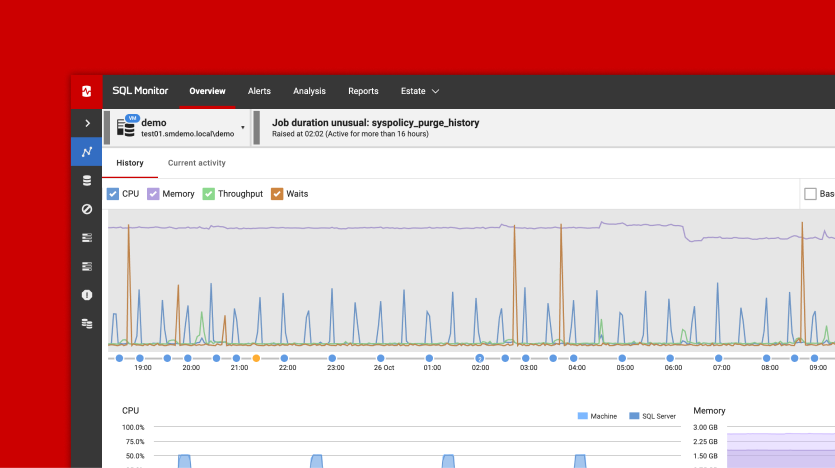
| 2:40PM | The Journey to Redgate Monitor V9.1 Grant Fritchey, Microsoft Data Platform MVP and Advocate at Redgate Ben Emmett, Product Manager at Redgate The journey to Redgate Monitor 9.1 hasn’t always been smooth. From its simple origins to the world’s most popular SQL Server estate monitoring tool, get the full story of how Redgate Monitor has developed over the years, and take a look at the great new features we’ve added in the latest release. |
| 3:25PM | Comfort break |
| 3:30PM | Stop completing tasks and start delivering business value Steve Jones, Microsoft Data Platform MVP and Editor at SQLServerCentral.com There’s a transition happening in database development: from a siloed task-based approach, to strategically aligned DevOps teams. In this session Steve Jones will discuss the evolution, and how this helps you deliver value to your customers quicker and at the right time while minimising the risk of critical errors. |
| 4:00PM | The Business Value of DevOps Kathi Kellenberger, Microsoft Data Platform MVP and Simple Talk Editor at Redgate |
| 4:20PM | Comfort break |
| 4:25PM | Database DevOps Across Microsoft IDE's Chris Kerswell, Lead Pre-Sales Engineer at Redgate Your business depends on minimizing the risk to your most valuable asset—your data. Discover how implementing Redgate's Compliant Database DevOps solution to your Microsoft SQL Server database estate helps you protect business-critical data and improve the efficiency and quality of your software delivery. Join Chris for a demo to see the Redgate solutions in action, including your first chance to see our brand new SCA v4.0 running in SSMS. |
| 5:10PM | DBAle Live: My journey from Developer to Director Chris Yates, Vice President | Director of Data and Architecture at Republic Bank Chris Unwin, Data Privacy and Protection Specialist at Redgate Chris Kerswell, Lead Pre-Sales Engineer at Redgate Our DBAle podcast presenting Chris duo are joined by Microsoft MVP and PASS Director-at-Large, Chris Yates, to discuss his favorite experiences and stories from a 20-year career in the database world, from Developer to Director of Data and Architecture. This Chris trifecta promises to be an educational, enlightening and entertaining session. |
| 5:40PM | Comfort break |
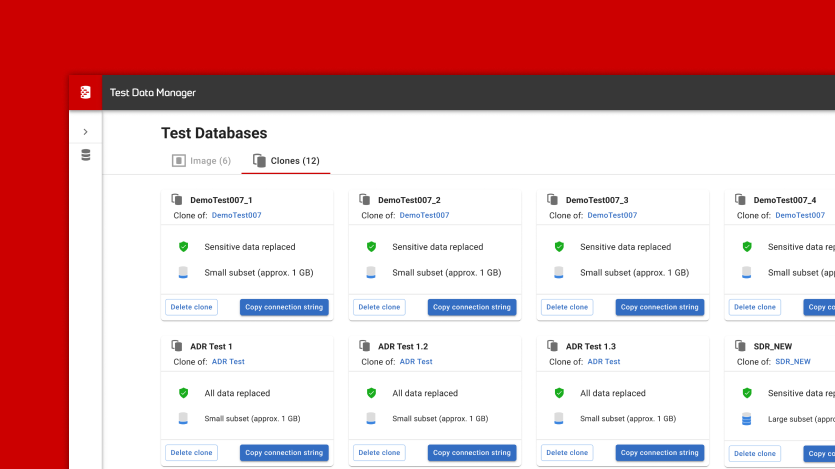
| 5:45PM | Sci-fi from 1999: Test data delivered in seconds Chris Unwin, Data Privacy and Protection Specialist at Redgate Kathi Kellenberger, Microsoft Data Platform MVP and Simple Talk Editor at Redgate The speed with which we can spin up and refresh dev, test and CI environments today, would’ve seemed like science fiction 20 years ago. The thought that developers could self-serve copies of production on demand, or have them delivered automatically, in an instant, without compromising sensitive data would’ve been mind-blowing. Kathi and Chris will look at how test data provisioning has advanced since 1999, and how technologies such as data virtualization and data masking are accelerating DevOps hand-in-hand with the rollout of global data privacy regulations. |
| 6:30PM | Ask the experts Grant Fritchey, Microsoft Data Platform MVP and Advocate at Redgate Kathi Kellenberger, Microsoft Data Platform MVP and Simple Talk Editor at Redgate Steve Jones, Microsoft Data Platform MVP and Editor at SQLServerCentral.com Microsoft Data Platform MVPs Grant, Kathi and Steve will be answering your questions from throughout the livestream. Providing their expert knowledge and insights they will also discuss their highlights and key takeaways from the day’s sessions. |
| 7:00PM | End |

Data Platform MVP, Advocate at Redgate, scarydba.com
Grant Fritchey is a Data Platform MVP with over 30 years' experience in IT, including time spent in support and development.
He has worked with SQL Server since 6.0 back in 1995. He has also developed in VB, VB.NET, C#, and Java. Grant has written books for Apress and Simple-Talk. Grant presents at conferences and user groups, large and small, all over the world. Grant volunteers for PASS and is on the Board of Directors as the Immediate Past President. He joined Redgate Software as a product advocate January 2011.

Data Platform MVP, Editor at sqlservercentral.com
Steve is a Microsoft SQL Server MVP and has been working with SQL Server since version 4.2 on OS/2. After working as a DBA and developer for a variety of companies, Steve co-founded the community website SQLServerCentral.com in 2001.
Since 2004, Steve has been the full-time editor of the site, ensuring it continues to be a great resource for SQL Server professionals. Over the last decade, Steve has written hundreds of articles about SQL Server for SQLServerCentral.com, SQL Server Standard magazine, SQL Server Magazine, and Database Journal.

Data Platform MVP, Editor at Simple Talk
Kathi Kellenberger is the Editor of Simple Talk and a Microsoft Data Platform MVP. She has worked with SQL Server for almost 20 years and has authored, co-authored, or tech edited over a dozen technical books.
Kathi is the co-leader of the PASS Women in Technology Virtual Group and a volunteer at LaunchCode. When Kathi isn’t working she enjoys spending time with family and friends, cycling, singing, and climbing the stairs of tall buildings.

Data Platform MVP, PASS Director-at-Large
Chris Yates is Vice President | Director of Data and Architecture for Republic Bank who leads a talented group of data professionals. Chris first started working with SQL back in 2000 and brings a wealth of knowledge and experience he has garnered over the years on the Data Platform. His community involvement keeps him busy with presenting at SQL Saturdays, co-leading the Louisville SQL and Power BI user group, co-leading the SQL Saturday Louisville event, and a PASS Director-at-Large.

Lead Pre-Sales Engineer at Redgate
Chris joined Redgate in 2018, before which he was a Solution Architect and a Pre-sales Consultant at other software companies. Chris brings experience of working with IT professionals from a wide variety of enterprises of all sizes and verticals, where he focused on helping solve their compliance and productivity challenges.

Data Privacy and Protection Specialist at Redgate
Chris is the Data Privacy and Protection Solution Specialist at Redgate. He started his career in SQL Server development and ERP configuration and joined Redgate in 2016. Chris works with a variety of companies, helping many of our global customers solve a variety of challenges; from rolling changes forward efficiently, to providing the best possible data-compliant, pre-production environments.

Product Manager at Redgate
Ben is a technical product manager for Redgate's developer and DBA tools, with an emphasis on performance and monitoring. He spends his days digging into what makes applications grind to a halt, as well as what it takes to build and operate something fast & scalable.
“SQL in the City is a great opportunity to see what's coming next from Redgate, as well as a chance to get some free training. The presenters are knowledgeable and their enthusiasm is contagious. Watch and learn.”



 @GFritchey